
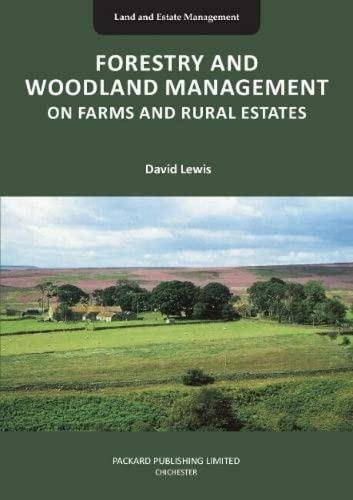
Forestry and woodland management on farms and rural estates / David Lewis.
Material type: TextSeries: Land and estate managementPublisher: Chichester : Packard Publishing Limited, 2021Description: 1 online resource : illustrationsContent type:
 - text
- computer
- online resource
- 9781837645541
- 183764554X
- 333.750941 23/eng/20240326
- SD179
Includes bibliographical references and index.
Most farms or rural estates have areas of woodland, either in the form of shelterbelts or spinneys, or larger woods or forests. Written in an easy-to-read style, this short book is aimed at landowners, and is also suitable for anyone with an interest in trees and woodlands, and as a primer for students of land management in colleges and universities. It begins with a look at forestry as a land use and some of the key factors that land managers should consider before planting trees on agricultural land. Types and categories of woodlands are explored together with the diverse motives for owning and managing this sustainable resource. Managing objectives and priorities of forest managerial operations are explained, and how they will influence the types and extent of chosen objectives, as well as the composition of tree species, structure and condition of the woodland. Policy and fiscal issues are considered, ranging from the availability of grants to tax incentives, which also influence the type and extent of forest management employed. Also highlighted are the important, financial, environmental or social priorities and challenges to be faced when managing woodland.
Online resource; title from PDF title page (EBSCO, viewed March 26, 2024).
WorldCat record variable field(s) change: 050, 082, 650
There are no comments on this title.